
What Is an Easement and Why Should You Care as a Property Owner?
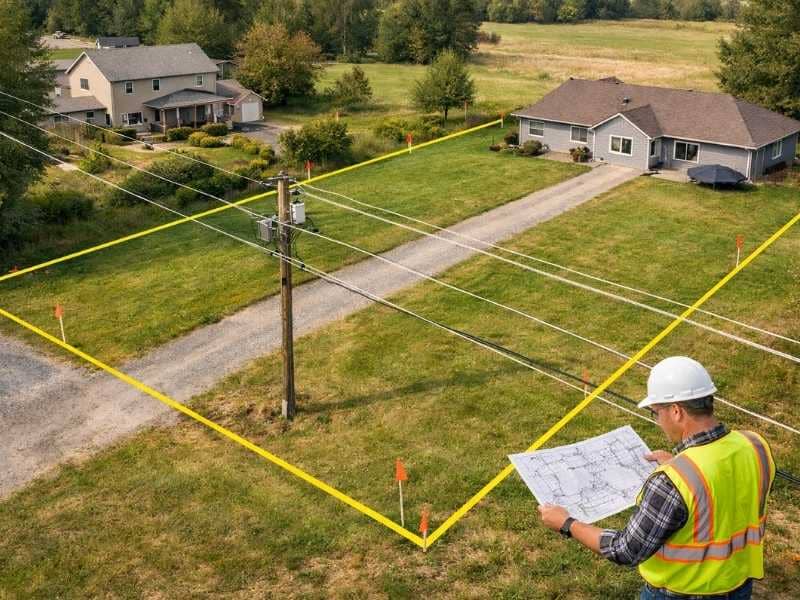
If you own property or are thinking about buying land, you have probably come across the word “easement” at some point. Maybe it showed up in a deed, a title report, or a conversation with a real estate agent. Most people nod along and move on without really understanding what it means. That is a mistake worth avoiding.
Easements are more common than most property owners realize, and they can directly affect what you are allowed to do with your own land. Knowing what they are and how they work can save you from costly surprises down the road.
So, What Exactly Is an Easement?
An easement is a legal right that allows another person or organization to use a specific part of your property for a specific purpose. They do not own that portion of your land. They simply have the legal right to use it in a defined way.
A utility company may have the right to run power lines across a corner of your yard. A neighbor might have the right to use your driveway to reach their property. Both of these are easements, and both are fully enforceable by law.
Here is the part that catches most people off guard. Easements are attached to the land, not to the owner. When a property is sold, any existing easements go with it. If you buy a home that already has an easement on it, you are responsible for honoring that easement whether you knew about it before closing or not. This alone is reason enough to always check for easements before purchasing any piece of property.
The Most Common Types of Easements
Not all easements work the same way. Here are the types you are most likely to encounter as a property owner.
Utility easements are the most common by far. Electric, gas, water, and telecommunications companies often hold the legal right to install and maintain lines or pipes across private land. About 30 percent of residential properties in the United States have at least one utility easement recorded against them. Within these zones, property owners are generally not allowed to build permanent structures such as sheds, decks, or fences.
Access easements, also called right-of-way easements, allow a person to cross your property to reach another location. This typically happens when a neighboring lot has no direct access to a public road. The owner of that landlocked property may hold a legal right to travel through your land to get to it.
Drainage easements give local governments or neighboring owners the right to direct stormwater through a defined path on your property. These exist to manage water flow and reduce flooding in the surrounding area. Blocking or modifying a drainage easement without approval can expose you to legal liability, especially if it causes flood damage elsewhere.
Conservation easements work a little differently. A landowner voluntarily agrees to limit development on a portion of their property, often in exchange for tax benefits. Once in place, those restrictions remain even after the property changes hands. Future owners are bound by the same terms.
Prescriptive easements are probably the most unexpected type on this list. If someone uses a part of your property openly and continuously for a set number of years without your permission, they may earn a legal right to continue doing so. The exact time period varies by state, but the outcome is the same. This is one of the strongest arguments for keeping your property boundaries clearly surveyed and marked.
What an Easement Actually Means for You Day to Day
Owning property with an easement does not mean you lose control of your land. You still own it. But your rights within the easement area are limited in real and practical ways.
You may not be able to build a fence, plant large trees, or put up any kind of permanent structure within the easement zone. If you do build something there without authorization, you could be required to tear it down at your own expense. You also cannot legally prevent someone from using an easement that has been properly recorded, even if the situation feels unfair.
Something else worth knowing is that easements can affect your property value. Those that block development or reduce the usable portion of your land may lower what buyers are willing to pay when you eventually sell.
One rule that applies in almost every case: just because an easement is not physically marked on the ground does not mean it does not exist. Many easements only appear in county deed records and official survey documents. You would never know they were there without looking.
How to Find Out If Your Property Has an Easement
The good news is that easements are public record. Here are the most reliable ways to track them down.
Start with the property deed. Most recorded easements are referenced directly in the deed language. Look for any mention of rights, access, or use by a third party.
Order a title search. A title company will review public records and flag any easements or other claims attached to the property before a sale is completed.
Hire a licensed land surveyor. This is the most thorough option. A professional surveyor will research public records and then physically locate and map every easement on your property. The result is a plat that gives you a clear and legally accurate picture of exactly what you own and what restrictions apply.
Check with your county recorder’s office. Easement documents are public and can be requested by anyone using your property address.
Take a close look at the land itself. Power line poles, buried pipe markers, drainage ditches, and worn footpaths can all be signs of an existing easement you were not told about.
Can an Easement Ever Be Removed?
Yes, but it is rarely a quick process. An easement can be terminated under a few specific circumstances.
The party holding the easement agrees in writing to release it. The easement was created for a purpose that no longer exists, such as a utility line that has been permanently taken out of service. The property owner and the easement holder become the same person, which legally eliminates the need for the easement to exist. A court rules that the easement was never valid or has been legally abandoned. The original easement agreement included a set expiration date that has now passed.
Even when one of these situations applies, removing an easement typically requires legal documentation and updated survey records to make the change official.
Questions Property Owners Ask Most Often
Does an easement transfer to the new owner when a property is sold?
Yes. Easements are tied to the land and automatically pass to the new owner at closing. Reviewing all recorded easements before buying is one of the most important steps in any real estate purchase.
Can I put a fence up inside an easement area?
In most cases, no. Permanent structures are not permitted within easement corridors. Before starting any construction near an easement, confirm the exact location with a licensed land surveyor first.
Who is responsible for maintaining the easement area?
This depends on the terms of the easement agreement. In most situations, the party holding the easement handles maintenance within that corridor. A utility company, for example, is typically responsible for the area around its lines or pipes.
Can an easement reduce what my property is worth?
It can. Easements that restrict development or shrink the usable area of your land may affect buyer interest and market value. A licensed surveyor or appraiser can help you understand what impact, if any, applies to your property.